Subscribe to Our Newsletter
Modern Art
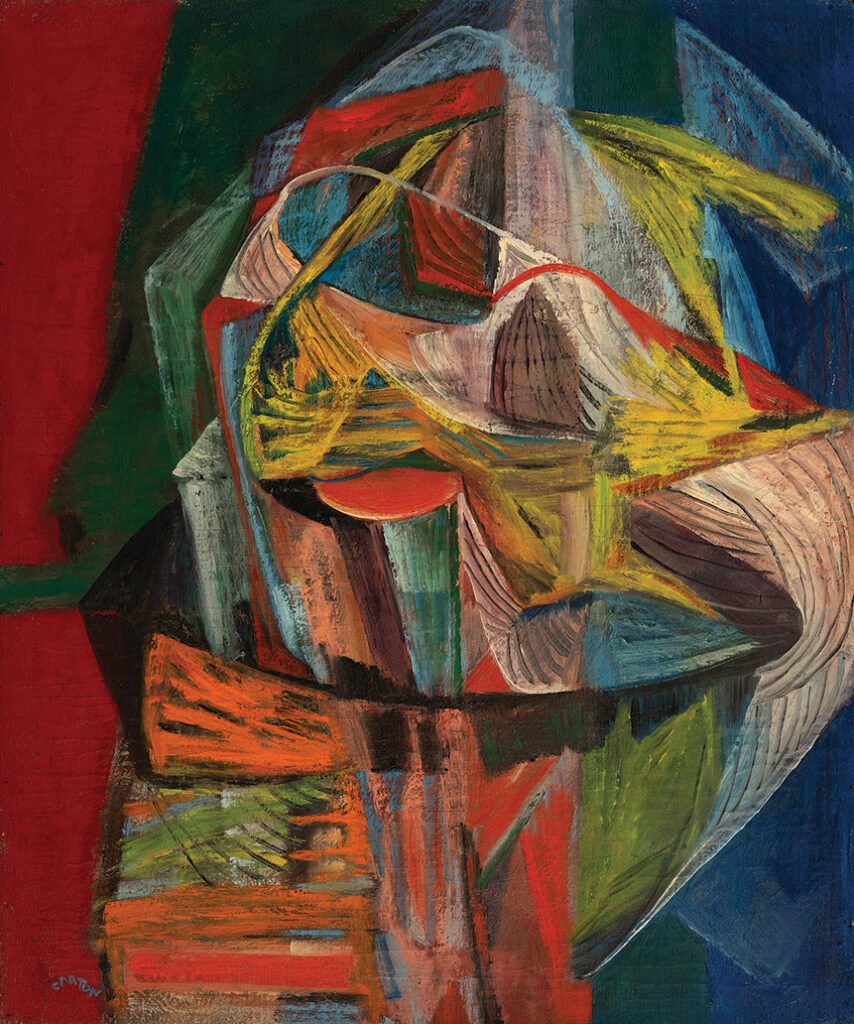
Paint as Experience
Norman Carton: from Ukraine to Philadelphia to New York, bridging Impressionism and Abstract Expressionism by William Corwin At age 10, in 1918, Norman Carton and his mother were in hiding during pogroms unleashed by the Russian revolution; six years later the same boy found himself safe and sound in Philadelphia, rescued from Eastern Europe by the…
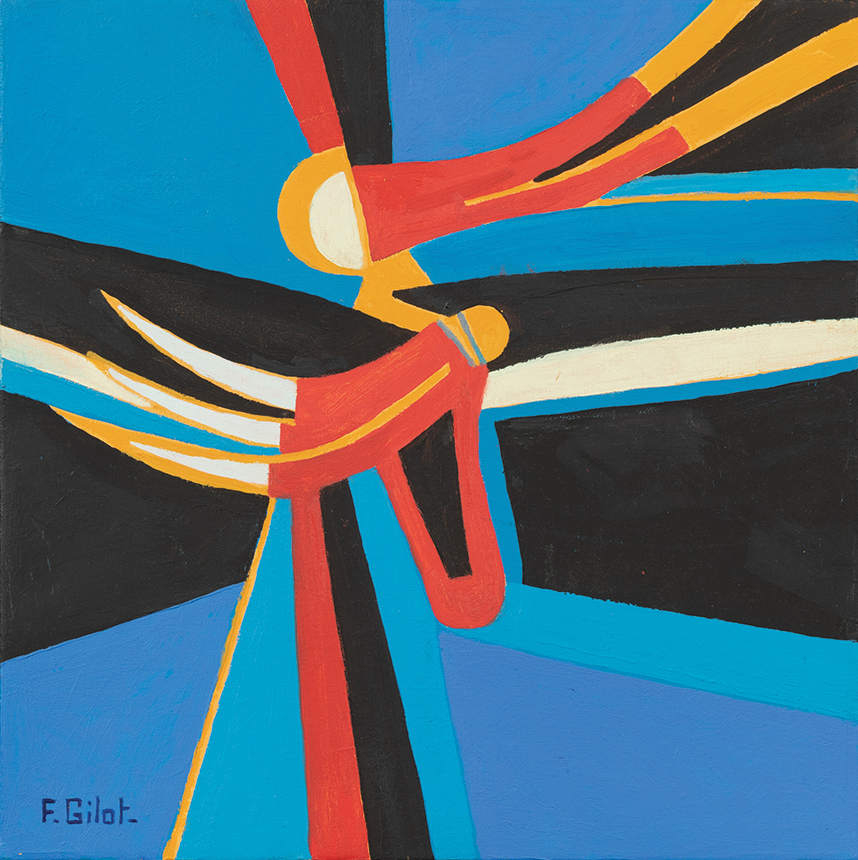
Françoise Gilot
Charting the path of a modern master by William Corwin Gilot’s line is the first thing you notice, her tool for expressing an image. In her portraits in pencil, the line becomes the central element, almost tattooed into the paper. In her paintings, both figurative and abstract, Gilot’s line acts either as a boundary of…
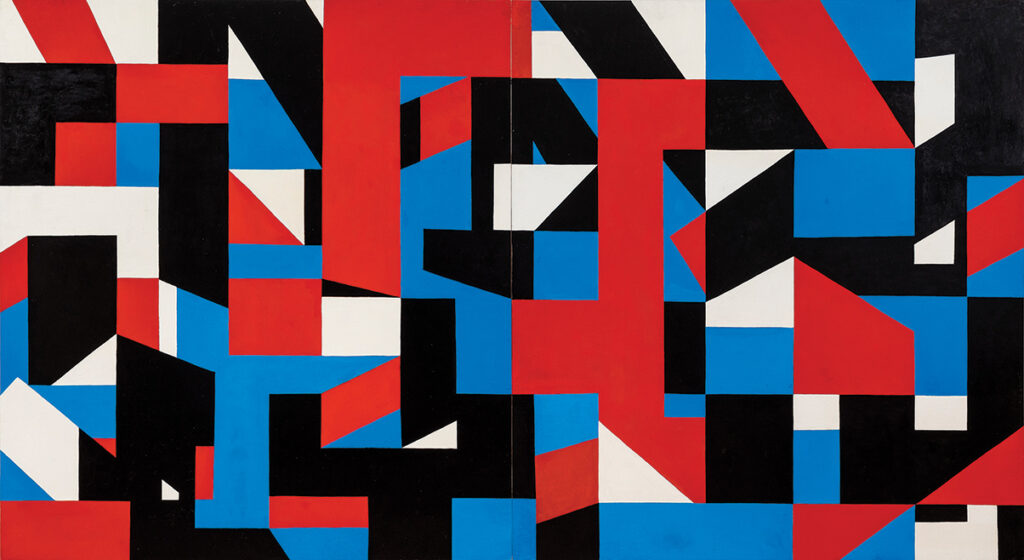
They Loved Paris
American artists on the move at mid-century by Lilly Wei There was an epochal transition in the years immediately after World War II as the center of the art world, a position held by Paris for at least a century, pivoted to New York. The shift had begun earlier, as such shifts do, the ravages…
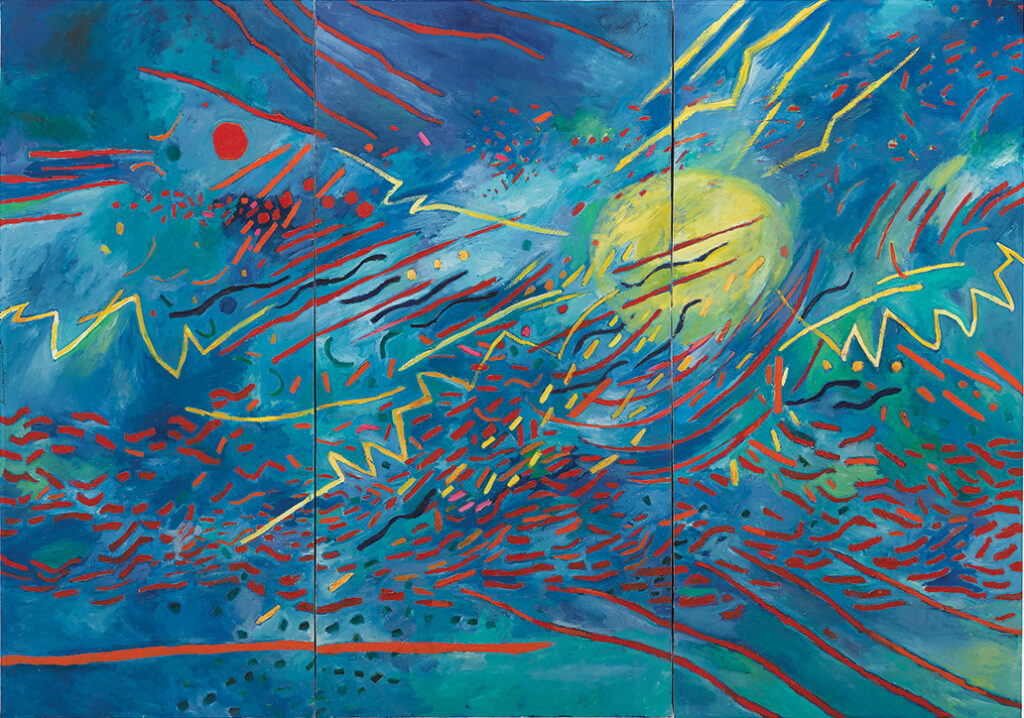
Visionary Physics
Mildred Thompson: A visionary abstract painter who used String Theory to illuminate the human condition By William Corwin Mildred Thompson’s paintings “were the children of her age,” to paraphrase the famous opening line of Kandinsky’s Concerning the Spiritual in Art (1910): the nuclear age, the space age, as well as the civil rights era. Born in…
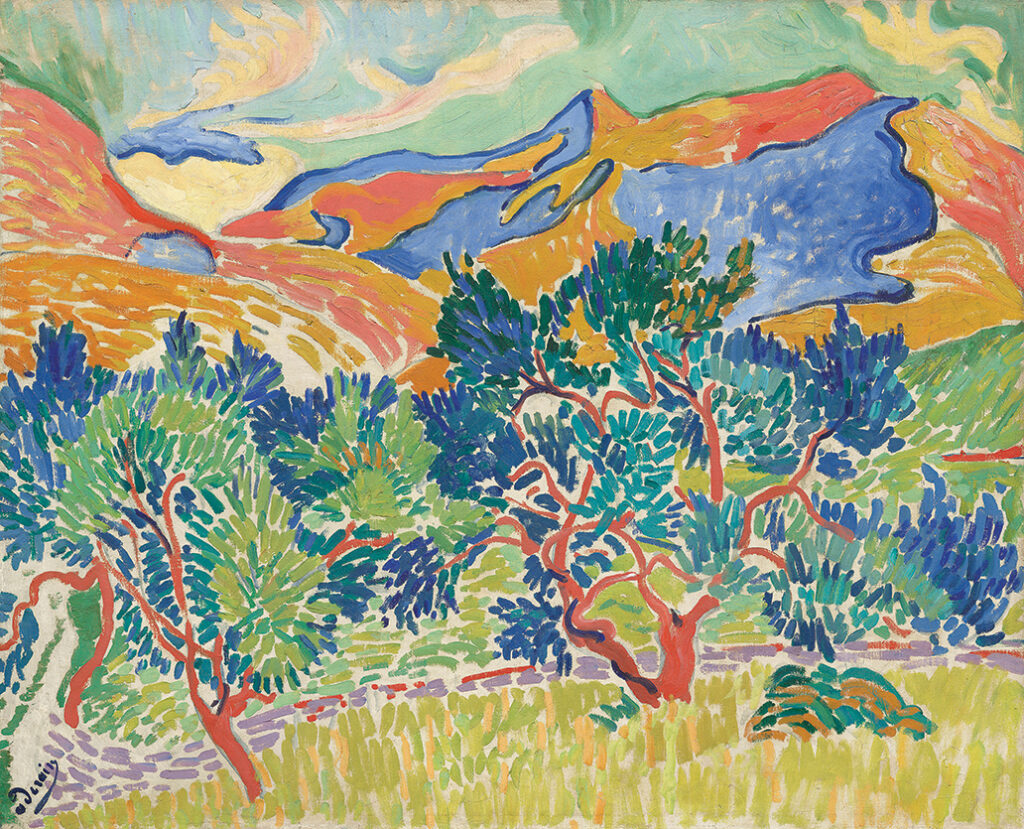
Summer of Color
Nine weeks that upended French Art By Lilly Wei It was July 1905 in Collioure, a quaint French fishing village sandwiched between the sparkling waters of the Mediterranean and the slopes of the Pyrenees located about half a marathon’s run from Catalonia and the Spanish border. Henri Matisse invited André Derain to meet him…

Dutch Masters
Dutch Art Helps Shape the Western World’s View of Itself By James D. Balestrieri The six themes that comprise Dutch Art in a Global Age: Masterpieces from the Museum of Fine Arts, Boston, an exhibition on view April 19th through July 14th at Atlanta’s High Museum of Art, convey a complex story of a very…

Re-framing Perle Fine
One of the founders of Abstract Expressionism is finally getting the recognition she deserves By William Corwin Imagine the atmosphere of a crowded and murmurous second-floor loft on Eighth Street in Greenwich Village in 1949: smoky and smelling not a little bit of unwashed clothes, Ballantine Ale, and whiskey. It was a raucous, chaotic atmosphere,…
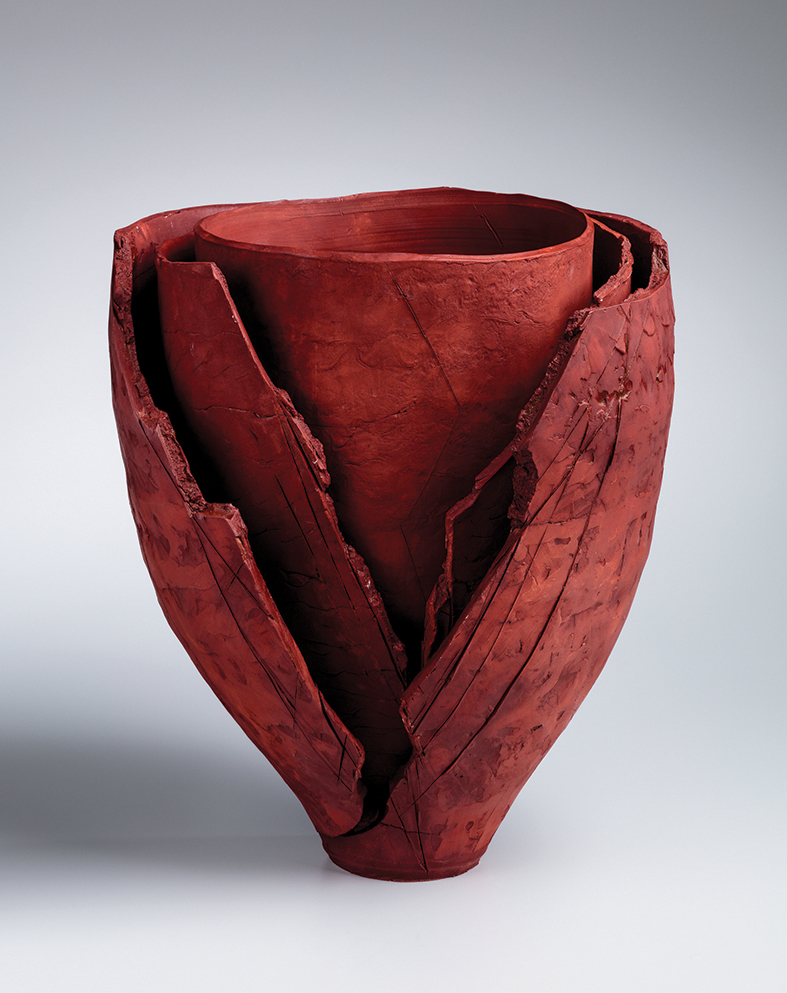
Radical Clay
Into the Spotlight: Contemporary Japanese Women Ceramists By Lilly Wei Clay, like many materials formerly relegated to the less acclaimed echelons of craft, at least in the United States, has risen in esteem of late, as have other so-called minor arts. There are more exhibitions dedicated to it, and clay appears more often as part…
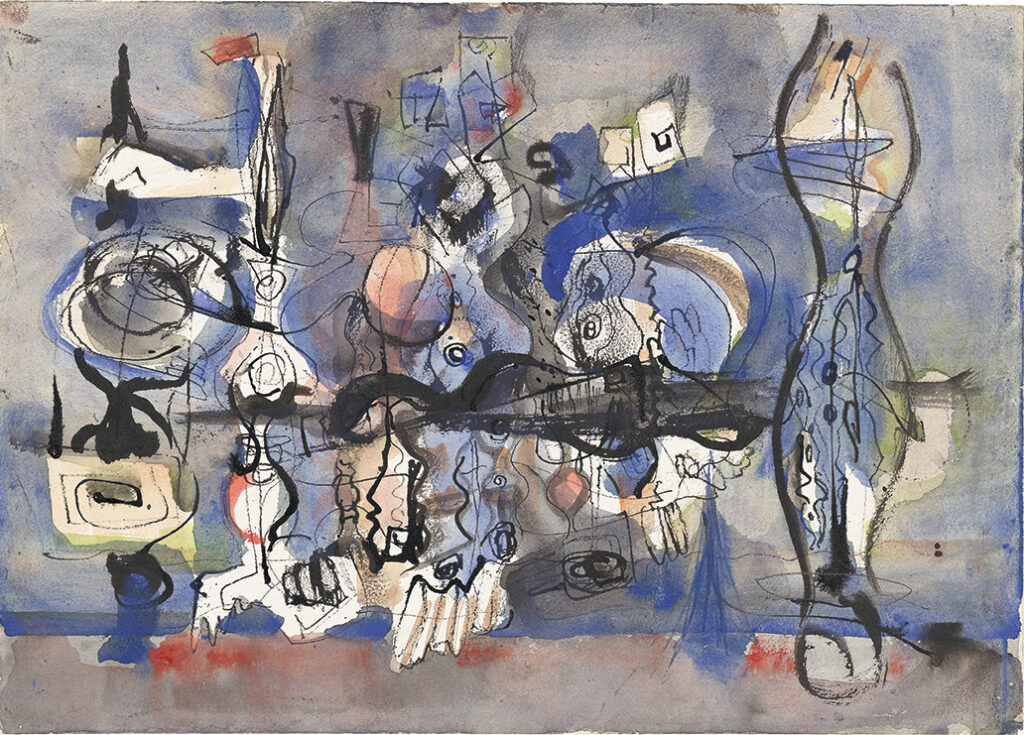
The Power of Paper
A new exhibition explores Mark Rothko’s works on paper, revaluing an unappreciated medium By Ashley Busby Too often an artist becomes synonymous with that thing that cements their status, leaving a one-sided glimpse into an evolving career. For Mark Rothko (1903–1970), his expressive color field paintings, towering in presence and moodily centered in pure washes…


Subscribe to Art & Antiques for your Digital or Print copy