Subscribe to Our Newsletter
Posts
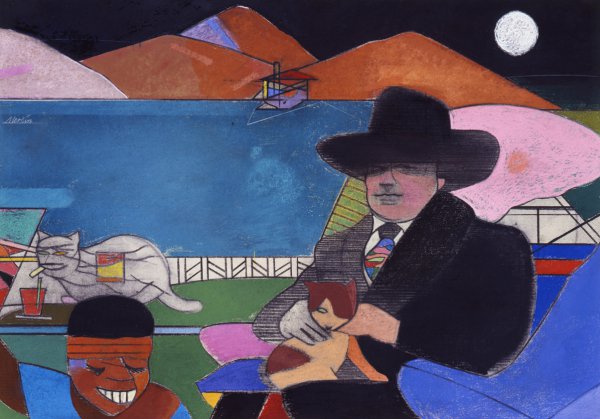
Keeping It Real
Works from the Sara Roby Foundation Collection, now on view at the Smithsonian American Art Museum, broaden the definition of American realism.
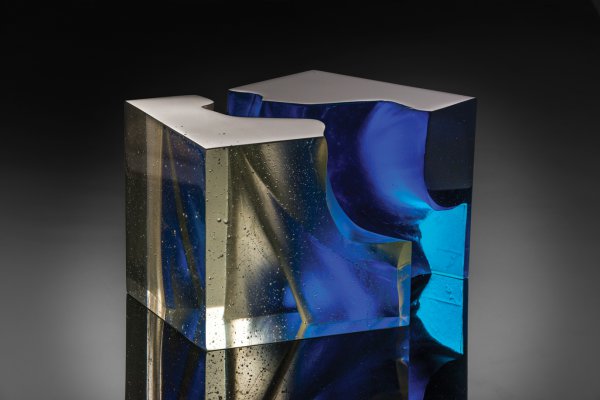
Crystallizing an Idea
Helped by new technologies, today’s glass artists are pushing this ancient medium beyond its traditional boundaries.
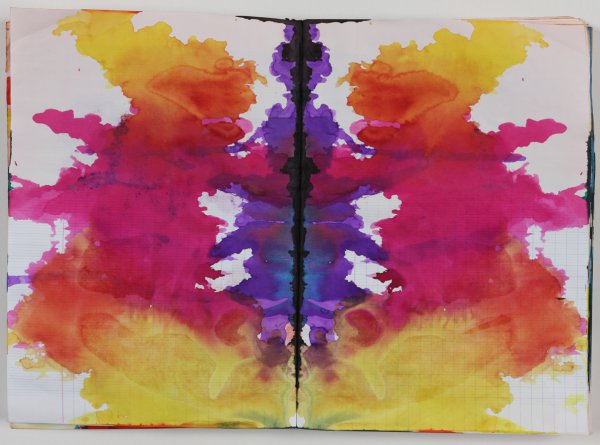
Shape-Shifter
Sigmar Polke, one of postwar Germany’s most important artists, had a penchant for mystery.
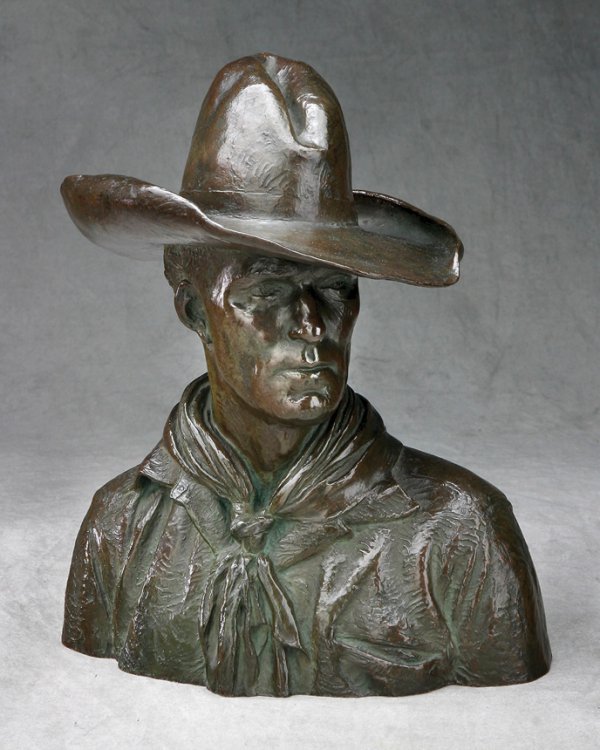
History on a Pedestal
The Metropolitan Museum of Art shows how the American West was bronzed.

Moving Pictures
With a historic acquisition The Museum of Fine Arts, Boston stages its first Pictorialist photography show in decades.

The Gorgeous Sublime
Paul Jenkins eschewed Abstract Expressionism’s inward gaze, aiming to reflect nature’s beauty with sensuous pours of paint.

One Piece at a Time
The craftsmen of the studio furniture movement have always been American originals, working independently of each other, following their own visions, making everything by hand.

Star Man
An exhibition at the Seattle Art Museum explores Miró’s later, lesser-known works, while telling the story of a peaceful artist living in a politically turbulent world.
The Poet’s Painter
Intimately connected to the literary world, Joan Mitchell devised an abstract language of her own to make feelings visible.

Subscribe to Art & Antiques for your Digital copy!