Subscribe to Our Newsletter
Impressionism

Ornithology, Infantry and Abstraction
Modern camouflage was invented by artists who studied nature, and camouflage in turn influenced some of modernism’s biggest breakthroughs.
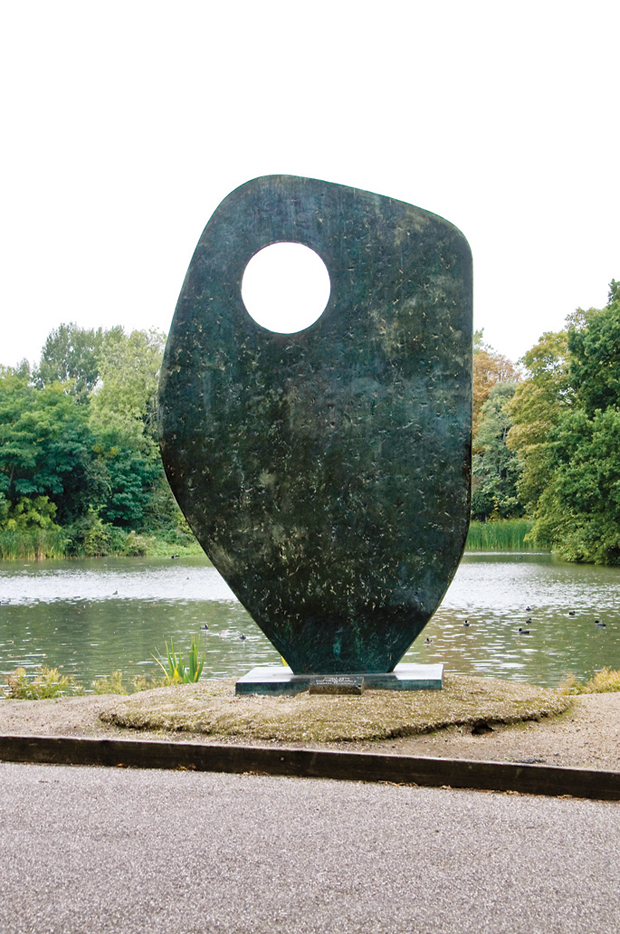
Brit Mod
After a long period of neglect, 20th-century British sculptors are once again basking in the art market’s sunshine.
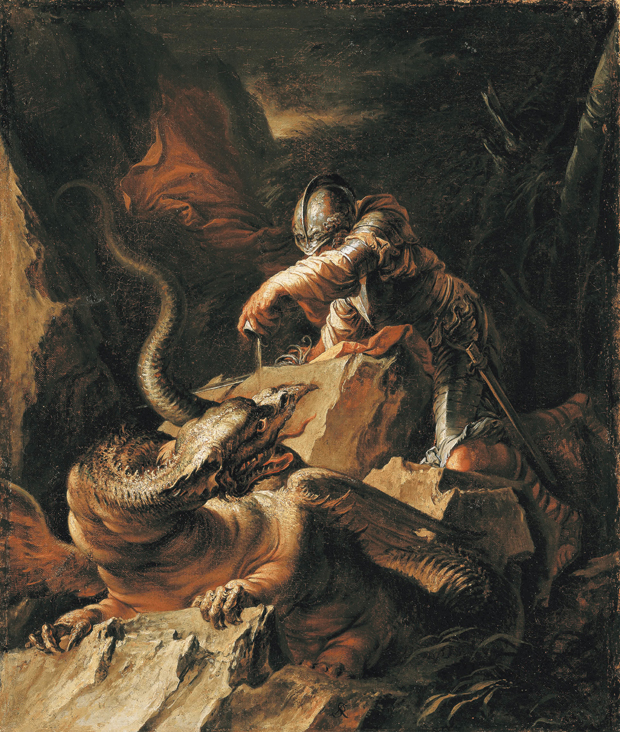
Big Baby
The Neapolitan painter Salvator Rosa cursed his fate, much to our good fortune.
Modigliani Finds a Dealer
By Meryle Secrerst Excerpted from the forthcoming book Modigliani: A Life, by Meryle Secrest, published by Alfred A. Knopf. Amedeo Modigliani (1884–1920) was a charismatic figure about whom legends began to accumulate long before his death. His creative power, striking good looks and extravagant way of life set him apart even in Paris’ bohemia at…
On The Border
As the contemporary art market becomes ever more diversified, does the distinction between the work of trained artists and that of their self-taught counterparts really matter?
Requiem for Kodachrome
By John Dorfman After 75 years, the pioneering color film is no more. Now perhaps the art world can recognize its unique worth as a medium. I just got my last rolls of Kodachrome back from the lab. They had sat in my desk drawer for a few years, artifacts of a time when I…
Making It New
by Sarah E. Fensom Two of the Met’s period rooms get a contemporary reimagining. Katrin Sigurdardottir, an artist born in Iceland in 1967, stands in one of her two installations in the Metropolitan Museum of Art, aptly titled Boiserie, meaning “decorative paneling.” What seems like a Japanese-style screen stolen from the set of an Alice…
Fowl Most Fair
Bird decoys are America’s only completely original form of folk art, and they are avidly hunted by collectors across the country. By Sarah E. Fensom One night in the 1950s, Adele Earnest, Americana dealer, founding trustee of the American Folk Art Museum and author of the 1965 book The Art of the Decoy: American Bird…
A Passionate Patron
Not too long ago, a slogan for Jamaica’s tourism industry advised, “It’s not just a beach. It’s a country.” Apparently, some visitors needed to be reminded that the sun-drenched island was, in fact, an independent state with a complex society and a vibrant culture. That very goal was given a big boost in 1974 by the opening of the National Gallery of Jamaica, a government-funded repository of the country’s visual-arts patrimony.

Subscribe to Art & Antiques for your Digital copy!