Subscribe to Our Newsletter
Old Masters

Faith and Freedom
William S. Schwartz synthesized his own unique brand of modernism, encompassing the avant-garde techniques of Europe and the boundless possibilities of America By John Dorfman While New York is without doubt the center of the American art world, Chicago has long had a lively art scene all its own, often cheerfully indifferent to the…
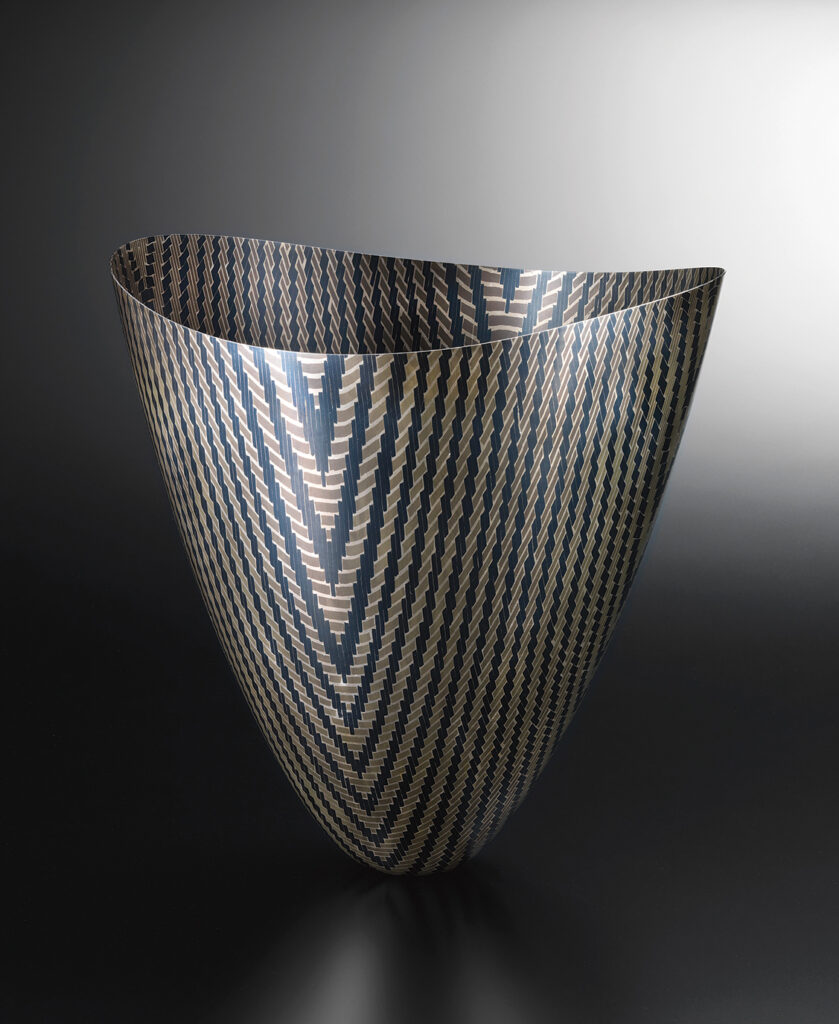
Masters of Metal
Working with amazingly intricate techniques, contemporary Japanese artists conjure the essences of nature in gold, silver, and a variety of alloys. By John Dorfman In Japan, it is not only a precious object that can be classified as a national treasure, but also a human being. The government has established a category, “Living National…

Between the Lines
Inspired by spiritual ideas, Piet Mondrian created a radical art that aimed to transform the world. By Sarah E. Fensom Piet Mondrian joined the Dutch arm of the Theosophical Society in 1909. His interest in a newly emerging spirituality had begun earlier, however. The artist, who was raised as a Calvinist, read Theosophical literature…

The Mind’s Eye
The late Richard Anuszkiewicz’s work is a rigorous yet joyous exploration of the realm of pure color and form. By John Dorfman The term “Op Art” was invented by a critic, not an artist, and the movement to which it was applied—if movement it was—came and went within a span of about five years in…
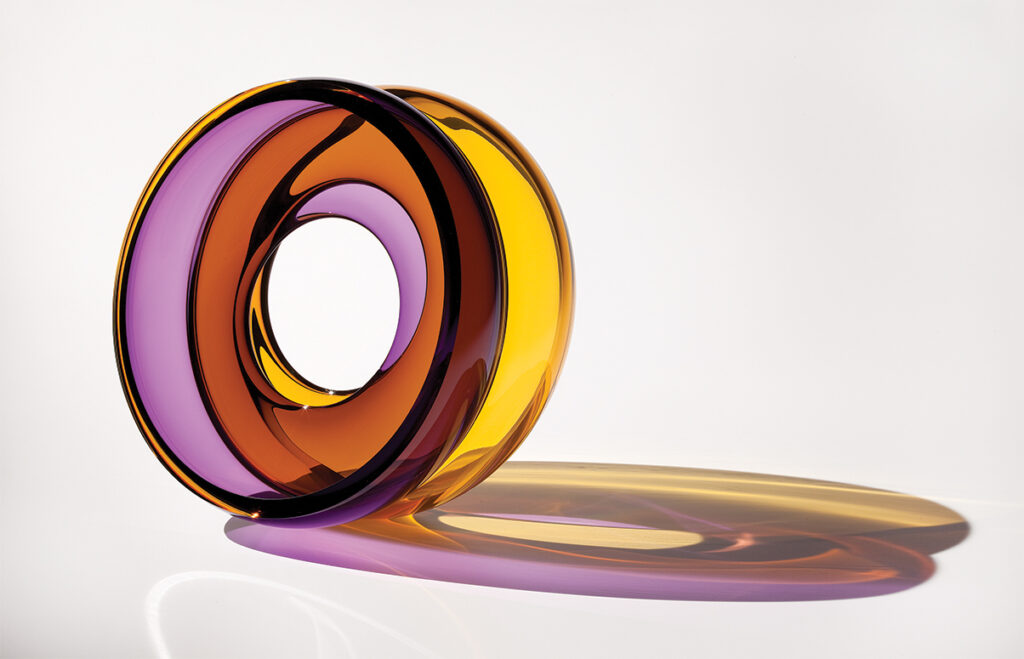
Glass Acts
John Kiley brings inspiration from conceptual and performance art to his glass-making. By John Dorfman Making glass art is usually a collaborative process, due to its technical demands, but the Covid-19 pandemic forced John Kiley to go it alone. The last time time he blew glass was in early March in the hot shop at…
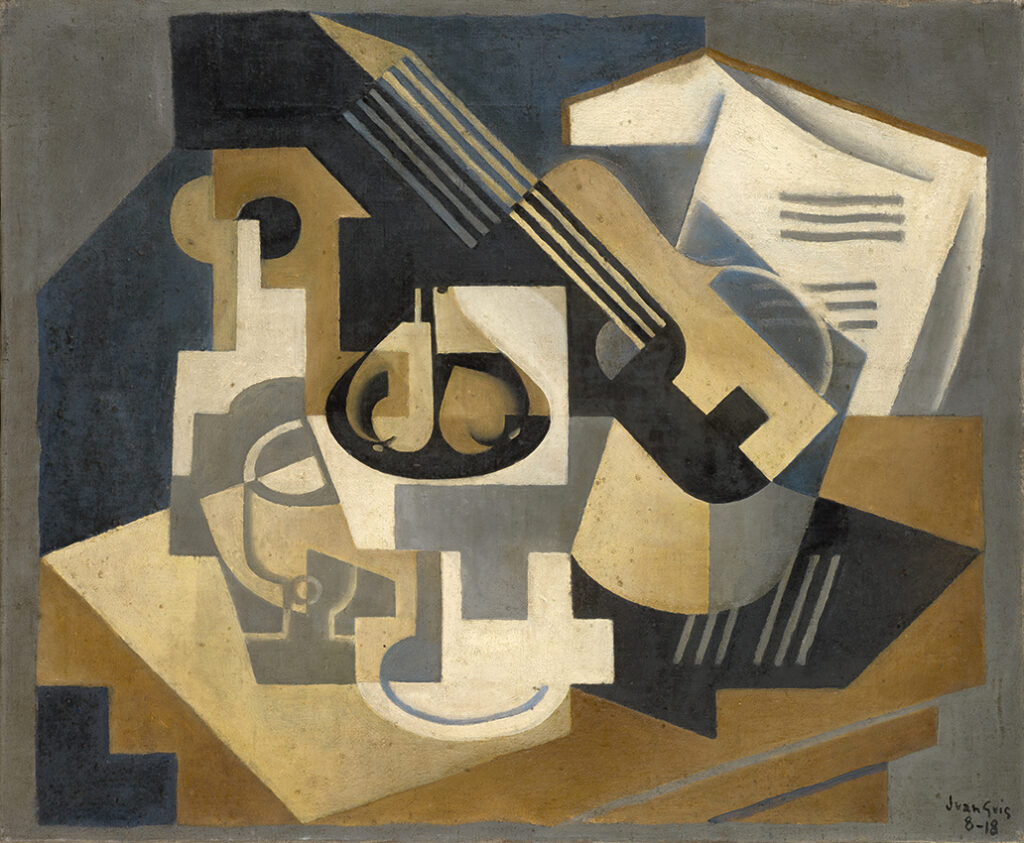
The Classic Cubist
Juan Gris, a master of the Cubist still life, is getting a closer look thanks to a new museum exhibition. By John Dorfman Juan Gris is often the odd man out in discussions of Cubism, with Pablo Picasso and Georges Braque at the center and Albert Gleizes and Jean Metzinger slightly off to stage right…
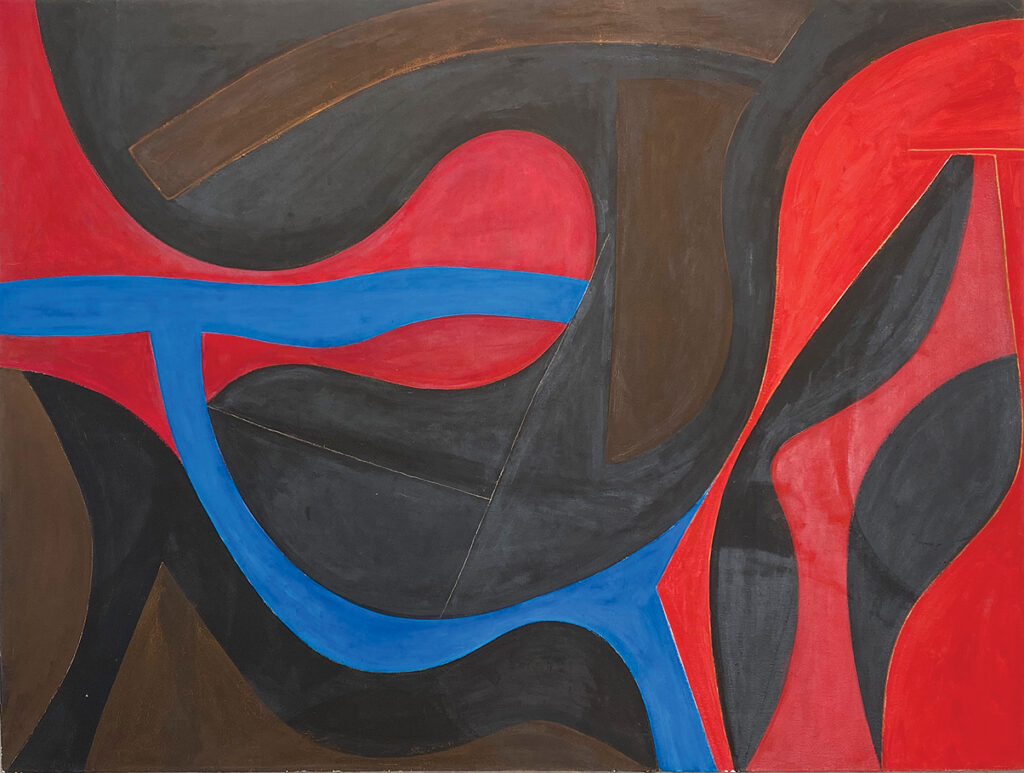
The Independent
Fritz Bultman, a first-generation Abstract Expressionist painter, sculptor,and collagist, went his own way and is now coming our way. By John Dorfman The January 15, 1951, issue of Life magazine featured a photograph of 15 American artists. Formally dressed in their best, carefully stage-managed into a group pose, they glared into photographer Nina Leen’s lens…

The Great Spiritual
An exhibition at the Guggenheim Bilbao gives occasion to reflect on Kandinsky’s message for the 21st century. By John Dorfman Vasily Kandinsky certainly needs no introduction. More than a century ago, he was one of the first artists to paint abstractly, and his theoretical writings not only explained the meaning of the new…
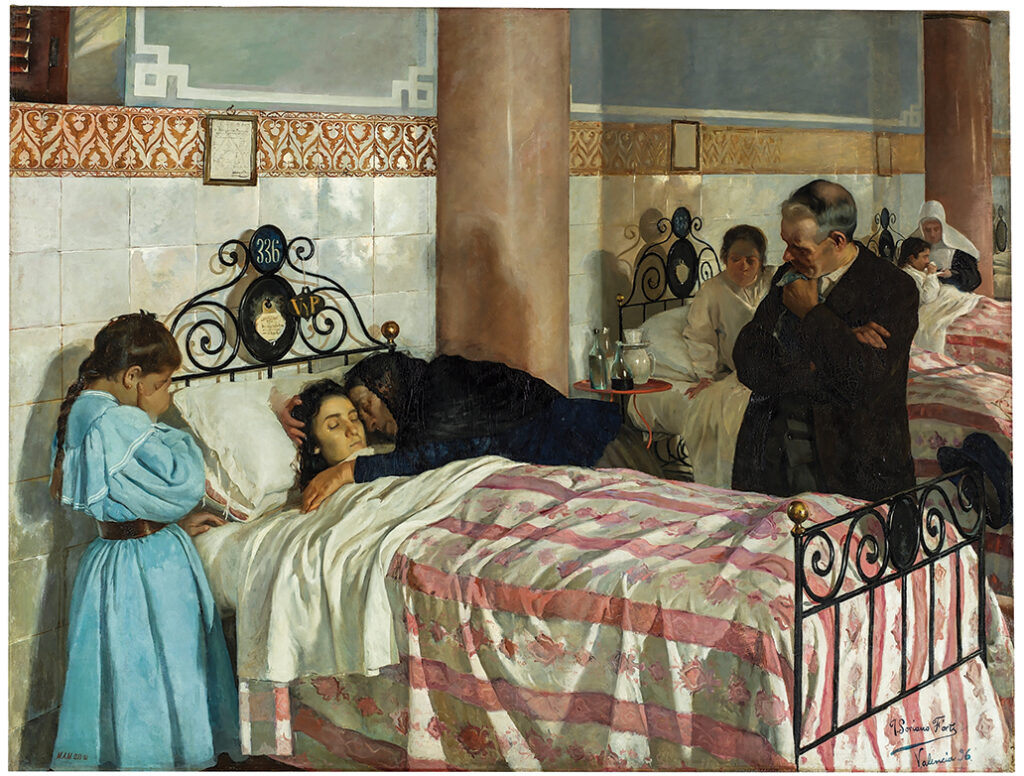
Genre and Gender
The Prado does a deep dive into its collection to come to grips with the situation faced by women artists in fin-de-siècle Spain. By Sarah E. Fensom In late 19th-century Spain, history painting’s stronghold on the state’s interest was supplanted by paintings of social denunciation and the so-called “subjects of the day.” These works…

Subscribe to Art & Antiques for your Digital copy!